ABOUT
Applied Paranoia explains how surveillance systems work. The dispatches bypass the debate over whether these networks are good or bad and focus purely on how they function, who operates them, what they cost you, and which countermeasures actually change the outcome. One dispatch runs every week.
The work comes out of a career in the security industry, including hands-on experience inside restricted and classified facilities. That background dictates what gets covered and how. The details of that career stay off the page due to the subject matter itself. Nolan Rourke is a pen name. The details that make the credential verifiable are the exact details that make it identifying. The tradeoff isn't close.
That leaves you with a problem, and it's the right problem to have. You can't verify me. So don't. Verify the sources instead.
How claims get labeled
Every dispatch tags its sources three ways.
Documented means a primary record. A court opinion, a contract obtained through a public records request, a filing, or a technical specification. It's a physical or digital record a reader can pull and read.
Reported means a named outlet or researcher published it and it hasn't been independently confirmed here. A company's claim about its own product lands here. It never goes into Documented, no matter how often press coverage repeats it.
Inferred means analysis. It's a conclusion drawn from documented facts, presented as a conclusion, with the reasoning visible so you can reject it.
The distinction matters because it stops the usual breakdown. A vendor's marketing figure gets quoted by a reporter, cited by a second writer as an established number, and four steps later it becomes a fact nobody checked. Labeling stops that sequence at the first step.
What this isn't
No fear-selling. The threat gets described at its actual size. If a system is less capable than its marketing claims, the dispatch says so plainly.
Some links earn a commission. That never determines what gets recommended, and the tradeoffs get stated either way. Where a product is a partial fix, it gets described as a partial fix.
No unsourced claims. If a detail can't be traced, it doesn't run. Draft dispatches die for this.
Corrections
Errors get corrected in place and dated. The original text gets struck rather than deleted, with a note placed in the following dispatch.
One draft already died for a fabricated citation. A second got held for a legal claim reversed by a Supreme Court decision. After fact checking and review caught both before publication. Some will slip through. When that happens, the correction runs. I am not a corporation. I am one person that digs for truth. The truth may hurt your political leanings, on all sides, but I will always side with truth.
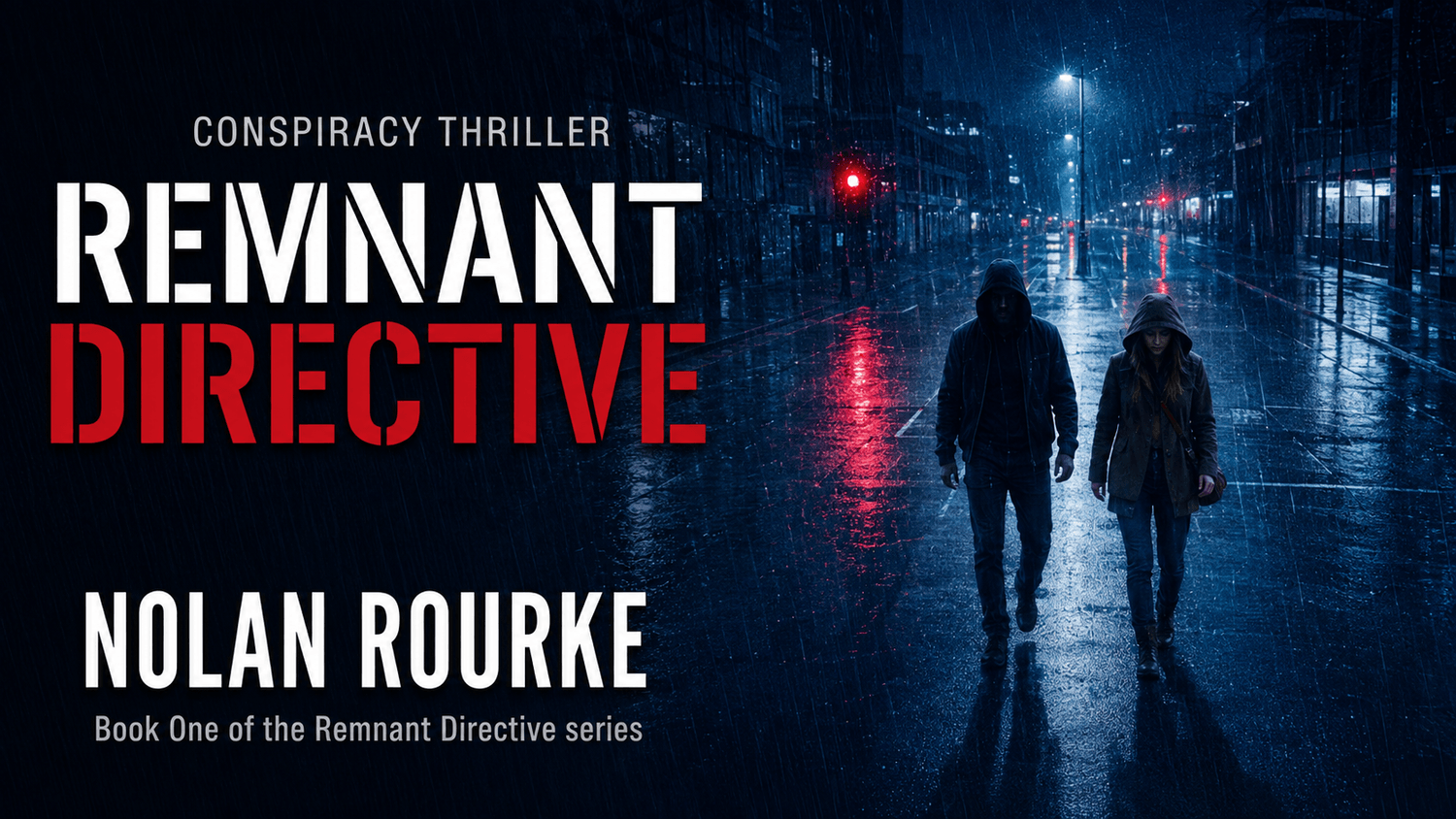
The fiction Nolan Rourke also writes The Remnant Directive series. These are conspiracy thrillers that blend espionage, conspiracy, and techno-thriller elements. Separate work, separate site, nolanrourke.com.
Nothing from the novels appears here. Nothing here is invented for the novels.
Stay paranoid.
ELSEWHERE


Two dispatches a week. No summaries of other people's reporting.